城市化进程的加速给交通管理带来了前所未有的挑战,交通拥堵、道路资源紧张等问题日益严重。面对这一困境,人工智能(AI)作为一种新兴技术,正在逐步成为城市交通管理的重要工具和解决方案。本文将从现状分析、效率提升策略以及未来展望三个方面探讨人工智能在城市交通管理中的应用及其潜力。
城市交通管理 traditionally relies on manual observation and simple models, which often fail to account for the complexity and variability of traffic flow. Traditional systems are prone to delays caused by unpredictable events such as accidents or sudden spikes in traffic volume.
The rise of AI offers exciting possibilities for enhancing traffic management efficiency, including real-time data processing、intelligent routing algorithms、and predictive maintenance of transportation infrastructure. However, challenges remain in terms of integration、scalability、and public acceptance.
AI-powered traffic signal systems can analyze traffic patterns and adjust signals dynamically to reduce congestion. By integrating real-time data from various sources, these systems can predict traffic peaks and optimize signal timing accordingly。
AI-driven ride-sharing platforms enable efficient coordination of public transportation resources, reducing individual travel demands on roads and improving resource utilization. These systems use predictive analytics to match passengers with available vehicles in real time.
Automated driving technology integrated into traffic management systems can help alleviate traffic congestion by reducing human error and enabling higher vehicle throughput. This is particularly effective in urban areas where frequent stops and starts are common.
Advanced AI algorithms can process vast amounts of transportation data to identify patterns、 predict trends、and provide actionable insights for traffic management authorities.
The future of traffic management lies in the continued development and integration of AI technologies. As AI becomes more intelligent and networked, it has the potential to revolutionize how cities manage their transportation systems, leading to a significant reduction in congestion and improved quality of life for urban dwellers.
人工智能在城市交通管理中的应用正在逐步改变传统的交通管理模式。通过优化信号系统、推动共享出行、促进自动驾驶以及提升数据处理能力,AI将为城市交通管理带来显著效率提升。未来,随着技术的不断发展和政策的支持,人工智能将成为实现可持续交通管理的核心驱动力。
相关推荐
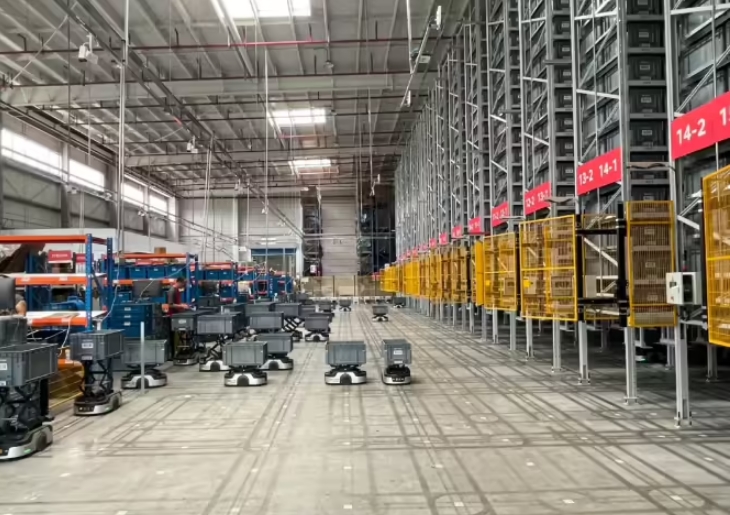
京东相关负责人回应,目前公司高度重视包括具身智能、大模型在内的技术热点。未来将聚焦供应链场景,持续通过内部技术创新和外部投资等方式来构建技术创新生态。...

马斯克于当地时间周一宣布,Grok 付费订阅用户现可试用 AI 聊天机器人新版“虚拟伙伴”(Companions)功能,但也有部分免费用户称其亦可访问该功能。...
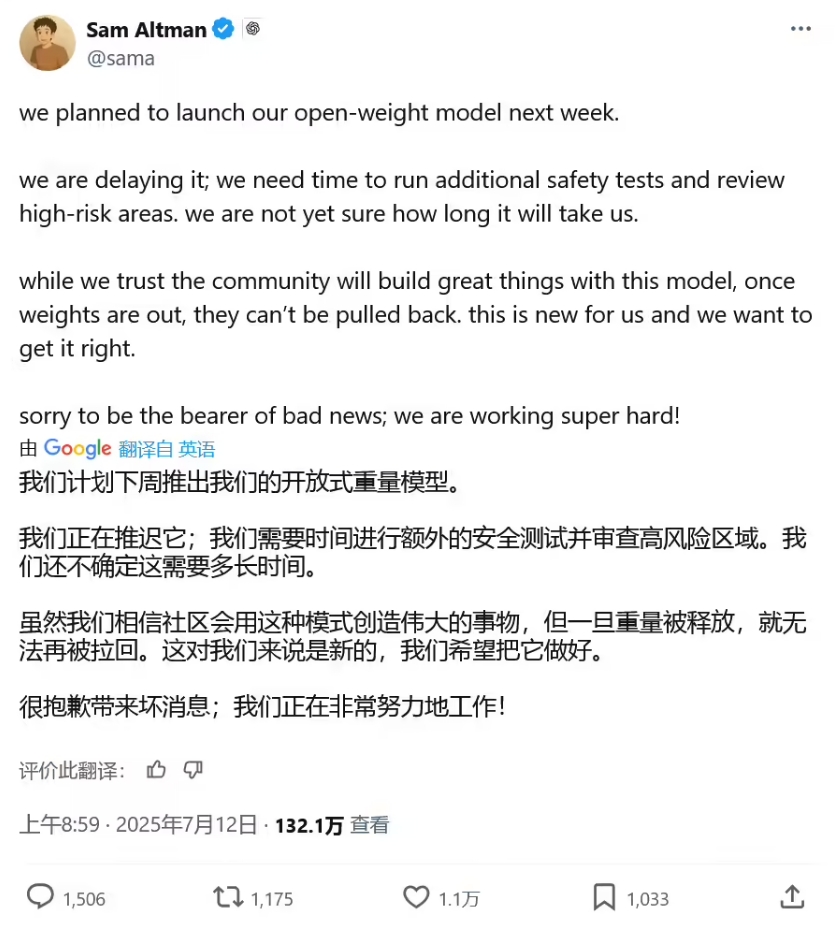
7 月 12 日,OpenAI 首席执行官山姆・奥尔特曼(Sam Altman)在 X 平台发布推文,表示为进一步测试模型安全,将推迟发布其首个开源 AI 模型。...
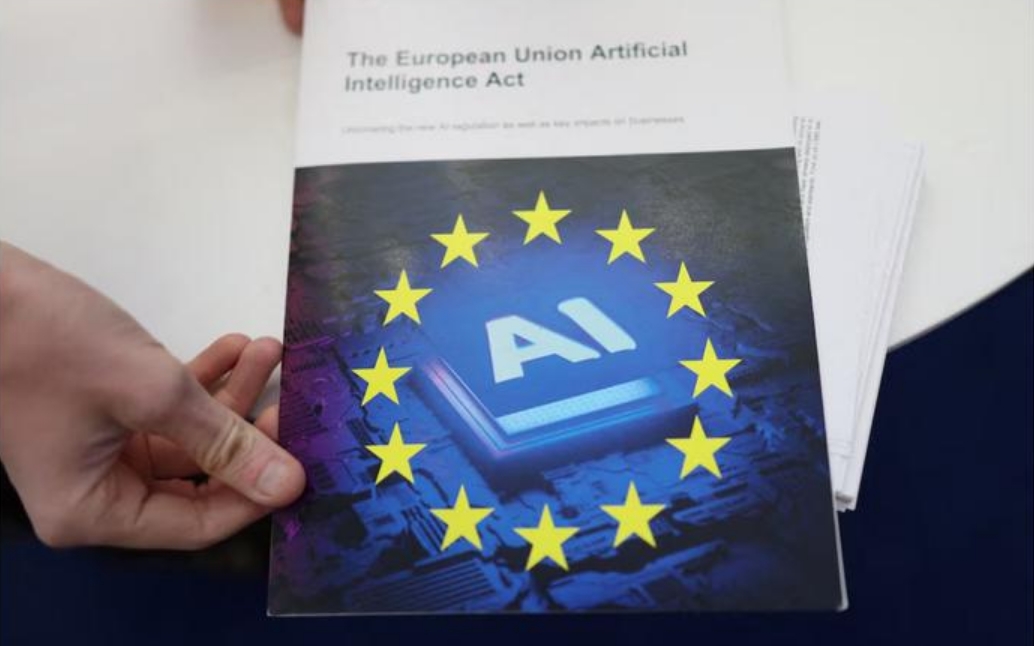
欧盟委员会昨日(7 月 10 日)发布公告,推出最终版《通用人工智能行为准则》(General-Purpose AI Code of Practice),帮助企业在开发 AI 过程中遵守相关监管标准。...