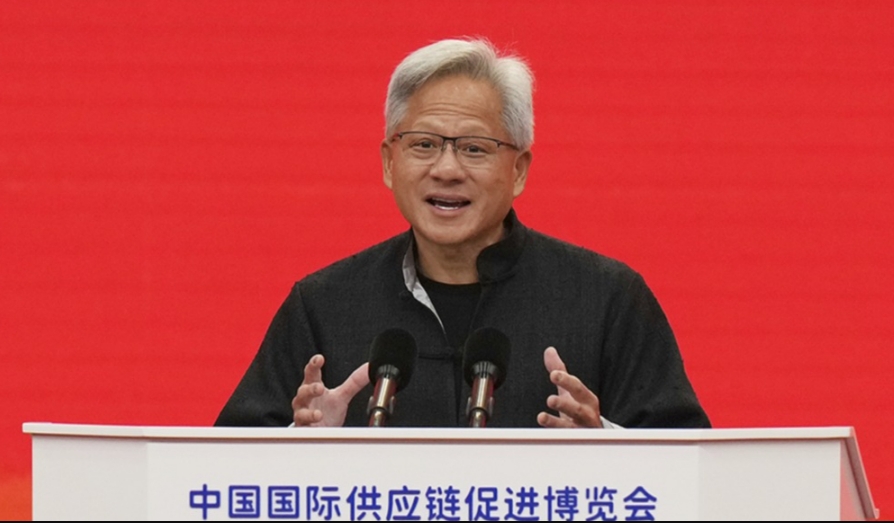
随着科技的飞速发展,机器人技术正在逐步改变传统的 manufacturing landscape. The integration of robotics in manufacturing has brought about significant changes, particularly in terms of productivity and workforce dynamics. This article explores the substitution effects of robots in manufacturing and their broader implications.
The development of industrial robot technology can be traced back to the mid-20th century, with early models being simple mechanical arms used for repetitive tasks. Over time, advancements in AI and machine learning have transformed robots into intelligent systems capable of performing complex operations.
The substitution effect refers to the phenomenon where robots replace human workers in certain tasks or jobs. This can be observed in various aspects of manufacturing: - 体力劳动的替代:Robots excel at repetitive and physically demanding tasks, such as assembly line work and heavy lifting. - 脑力劳动的替代:Advanced robotic systems are increasingly capable of performing tasks that require decision-making and problem-solving, such as quality control.
The substitution of human workers by robots has led to significant changes in the labor market: - 就业结构的变化:Many manufacturing jobs have been replaced by automation, leading to a shift in the demand for different types of skills. - 技能要求的提升:Workers need to acquire new skills to work alongside robots or operate robotic systems, creating a demand for higher-skilled labor.
The introduction of robots in manufacturing has brought about several benefits: - 提高生产效率:Robots can work continuously without fatigue, leading to increased output and reduced downtime. - 降低生产成本:While the initial investment in robotic systems may be high, the long-term savings from reduced labor costs and improved efficiency often offset these expenses.
The substitution effect is particularly pronounced in small and medium-sized enterprises (SMEs): - 技术门槛的限制:Many SMEs lack the resources to invest in advanced robotic technology, putting them at a disadvantage compared to larger corporations. - 就业机会的减少:The adoption of robots by larger competitors can lead to a decline in job opportunities for SME employees.
The substitution effect has far-reaching implications for the labor market: - 就业结构的变化:As robots take over routine tasks, there is a growing demand for workers with specialized skills in areas like robotics maintenance and programming. - 收入分配的不平等:The displacement of low-skilled workers can lead to increased income inequality, as those who lose their jobs may struggle to find new ones.
While robots are replacing certain jobs, they also play a crucial role in driving manufacturing upgrades: - 推动技术创新:The integration of robotics fosters innovation and the development of advanced manufacturing technologies. - 促进产业升级:Robotic systems enable manufacturers to achieve higher levels of automation and precision, leading to improved product quality and market competitiveness.
The widespread adoption of robots in manufacturing poses challenges for social welfare systems: - 社会保障的压力:Large-scale job displacement could strain existing unemployment benefits and social safety nets. - 劳动法律的调整:New laws and regulations may need to be established to address issues like robot-induced layoffs and the rights of human workers in a robotic workplace.
The substitution effects of robots in manufacturing are undeniable, with far-reaching implications for both businesses and society. While robots bring significant benefits in terms of efficiency and productivity, their impact on employment and income distribution cannot be overlooked. As technology continues to advance, it is crucial for policymakers, businesses, and individuals to adapt and find ways to mitigate the negative consequences of this transformation. Ultimately, the future of manufacturing will likely be one where humans and robots work together, leveraging各自的优势以实现更高效的生产与更高的生活质量。

相关推荐
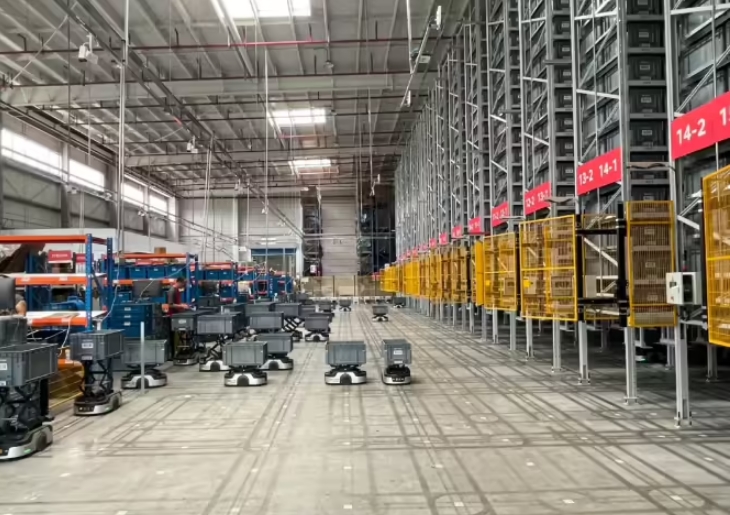
京东相关负责人回应,目前公司高度重视包括具身智能、大模型在内的技术热点。未来将聚焦供应链场景,持续通过内部技术创新和外部投资等方式来构建技术创新生态。...

马斯克于当地时间周一宣布,Grok 付费订阅用户现可试用 AI 聊天机器人新版“虚拟伙伴”(Companions)功能,但也有部分免费用户称其亦可访问该功能。...
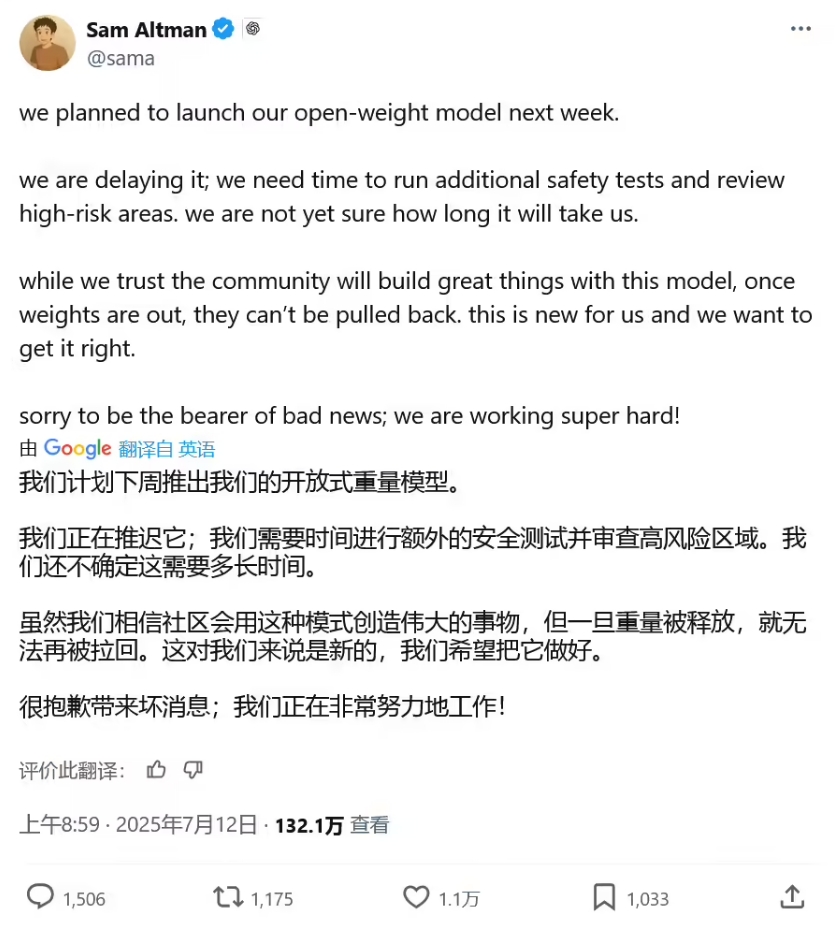
7 月 12 日,OpenAI 首席执行官山姆・奥尔特曼(Sam Altman)在 X 平台发布推文,表示为进一步测试模型安全,将推迟发布其首个开源 AI 模型。...
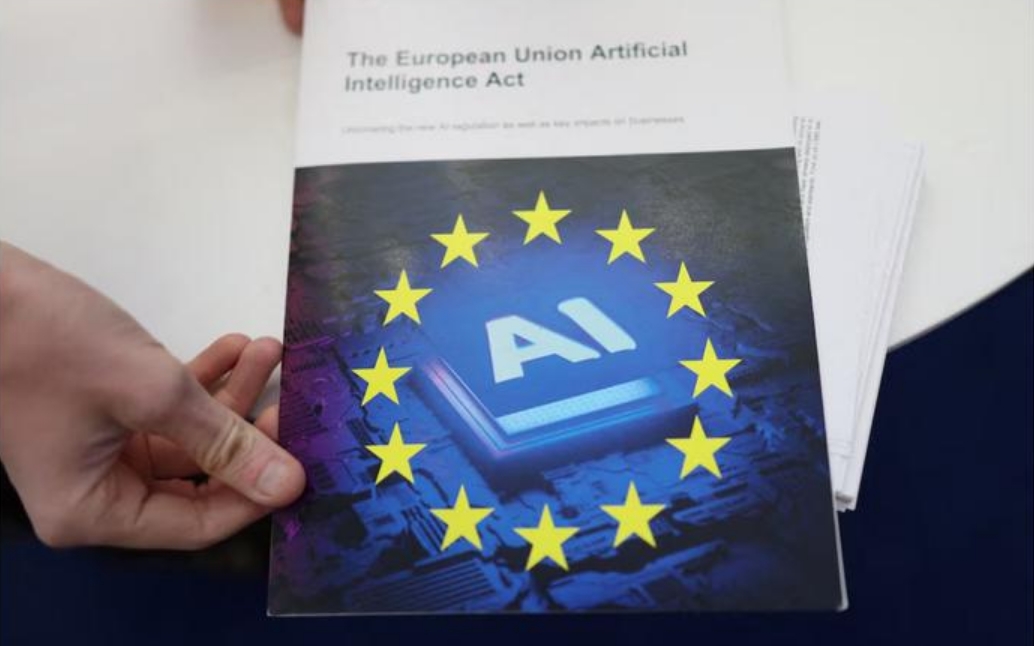
欧盟委员会昨日(7 月 10 日)发布公告,推出最终版《通用人工智能行为准则》(General-Purpose AI Code of Practice),帮助企业在开发 AI 过程中遵守相关监管标准。...